
Photo Gallery: 26th Annual African Street Festival
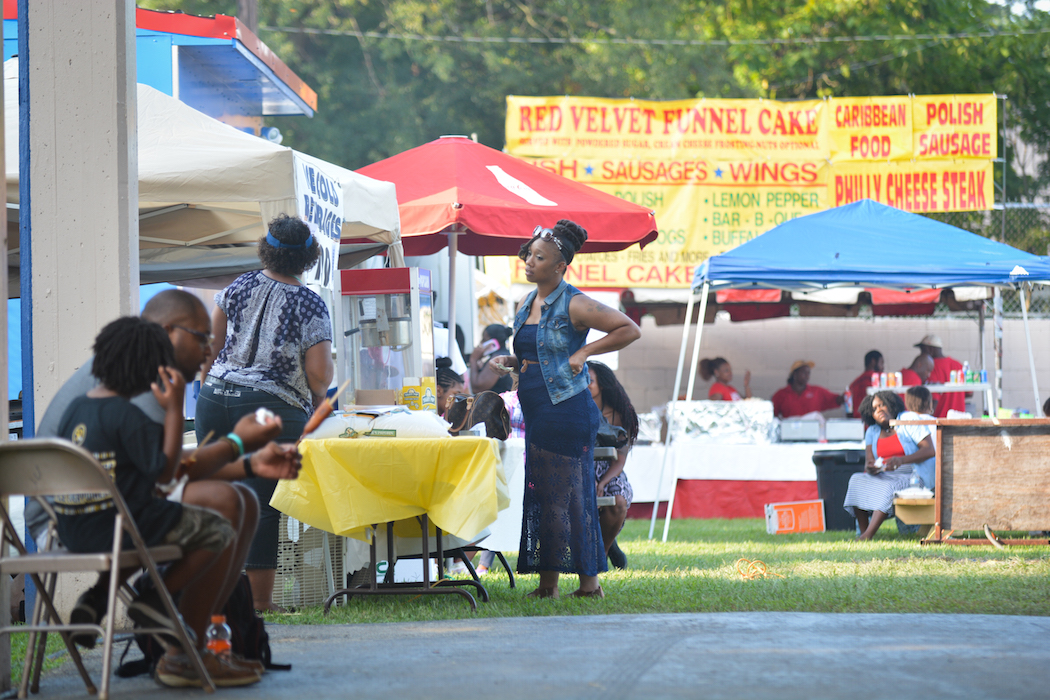
This weekend our new photography contributor Hannah Russell captured some highlights from the 26th Annual African Street Festival. Did you miss out? Check out the beautiful photo gallery she put together!
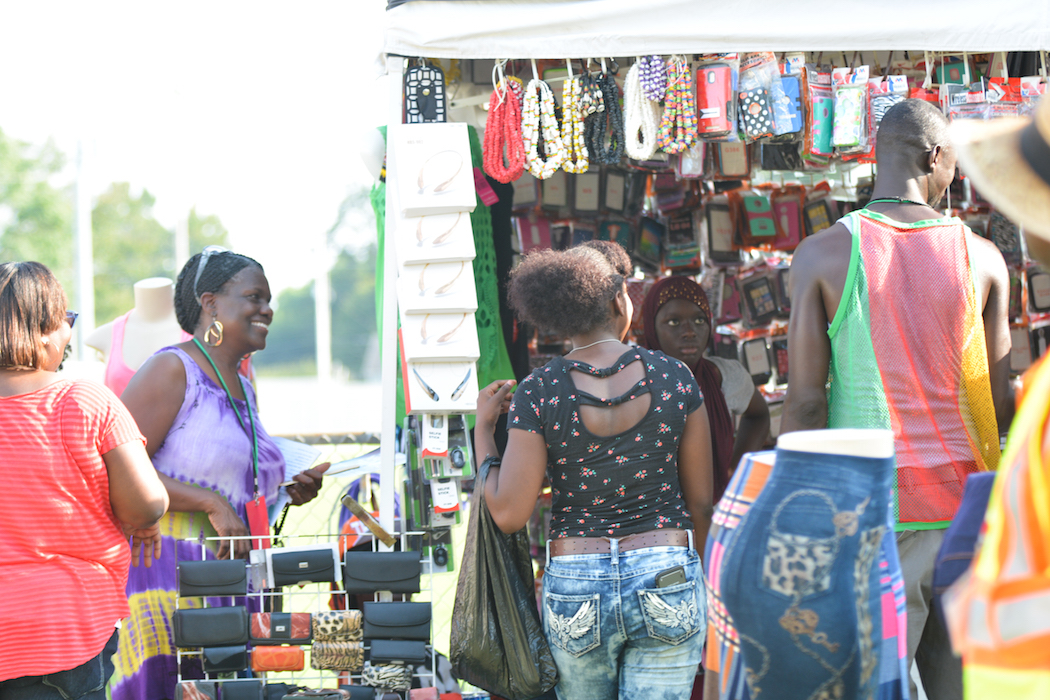
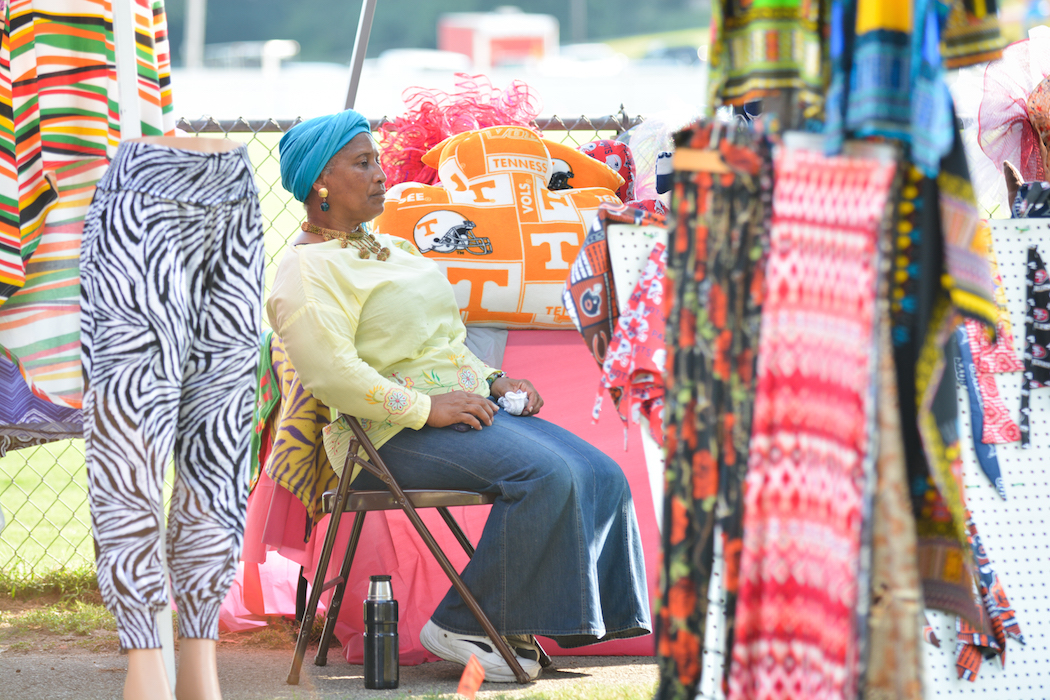
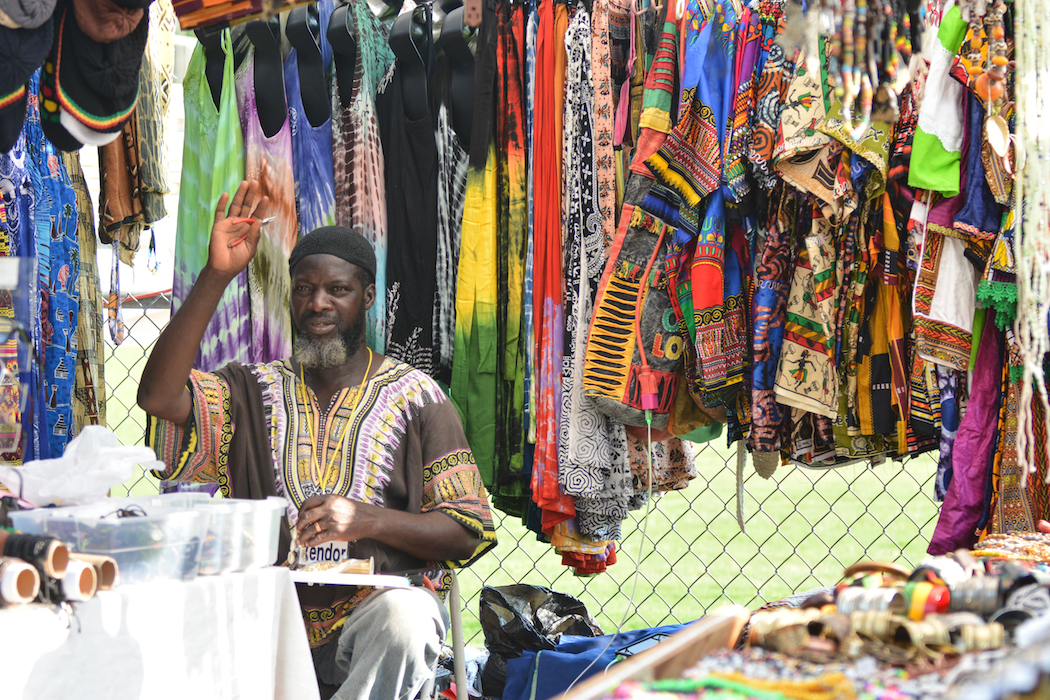

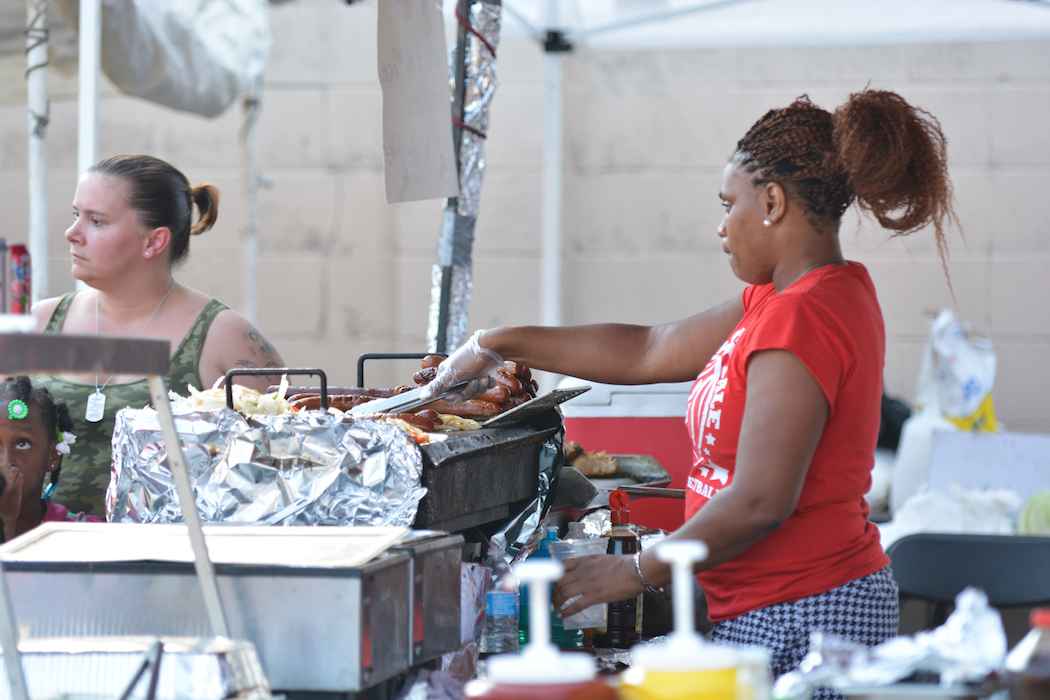

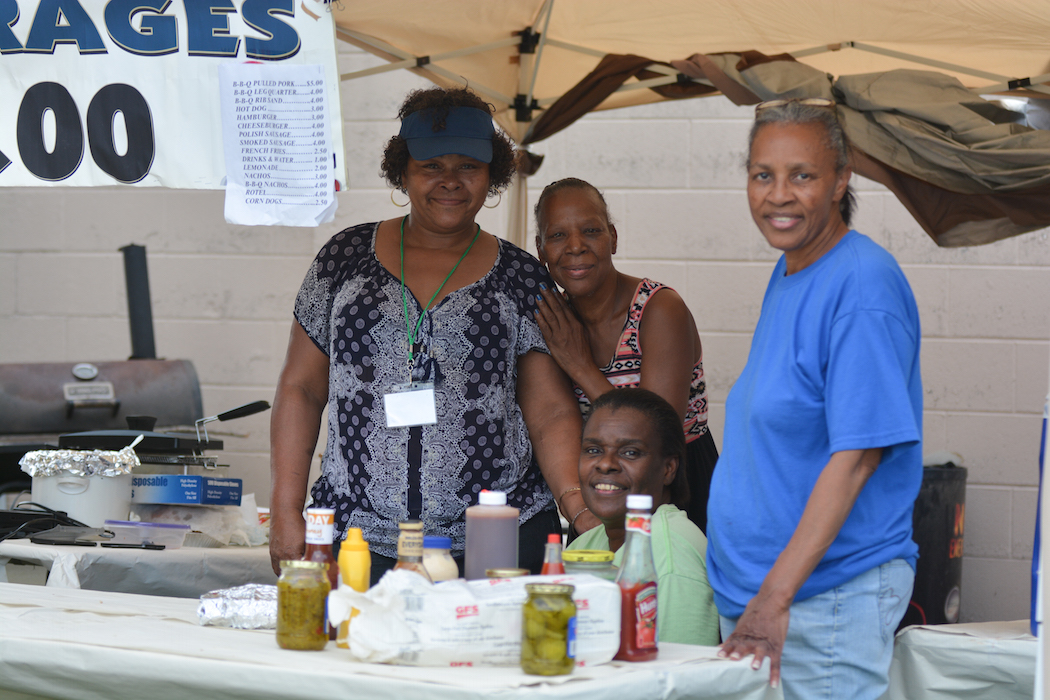
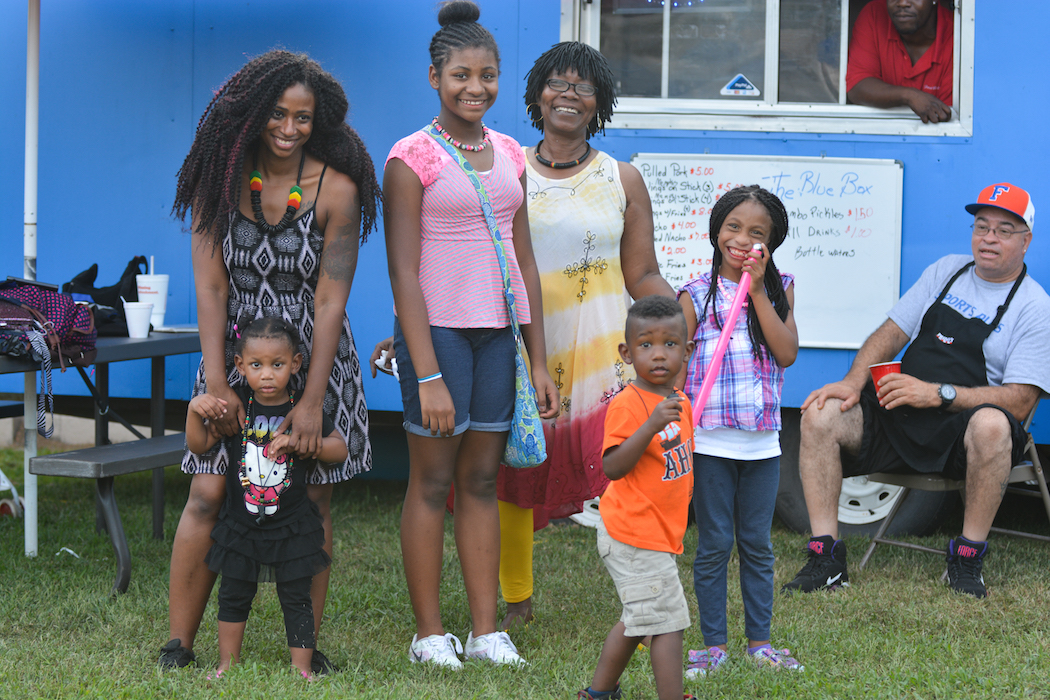
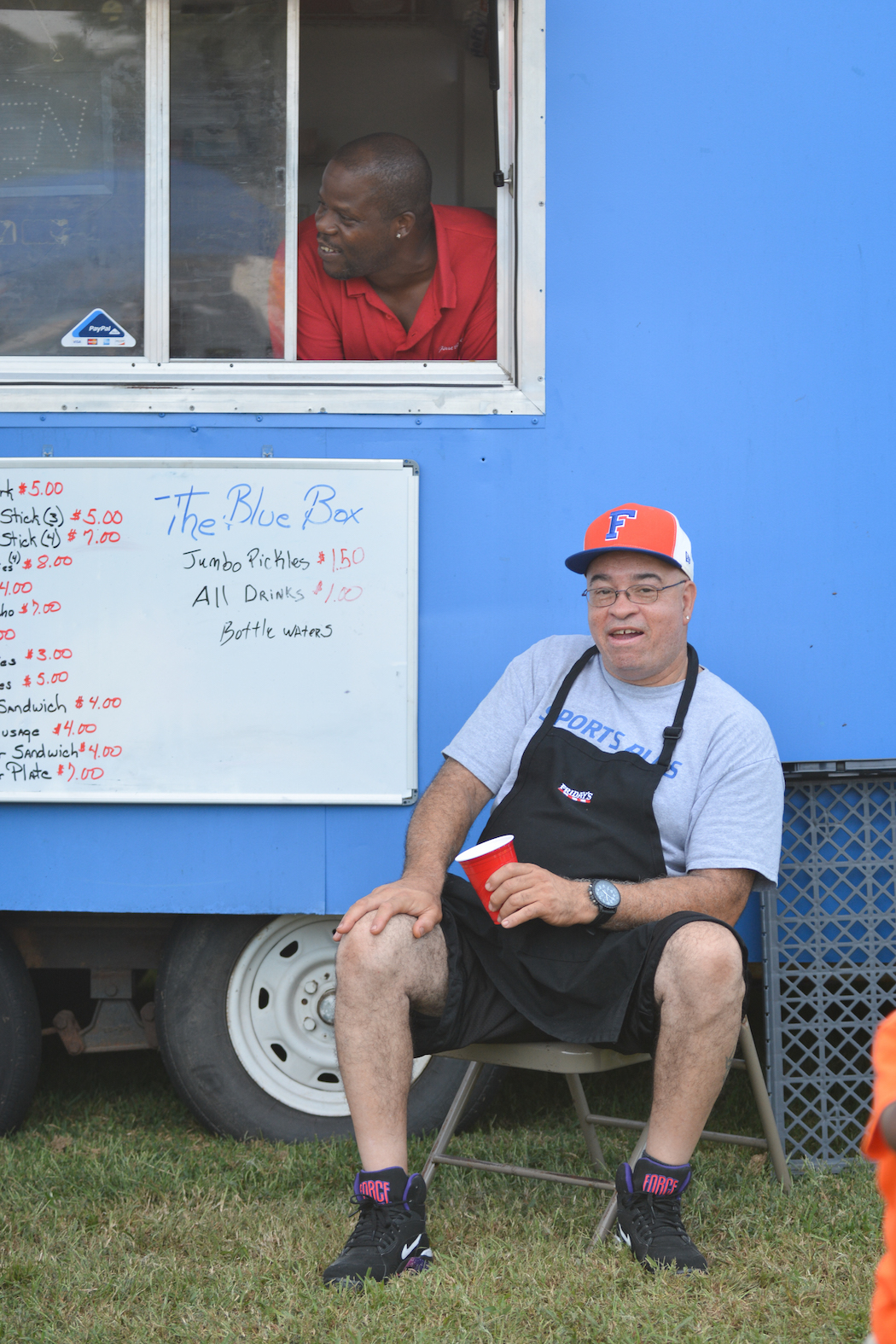
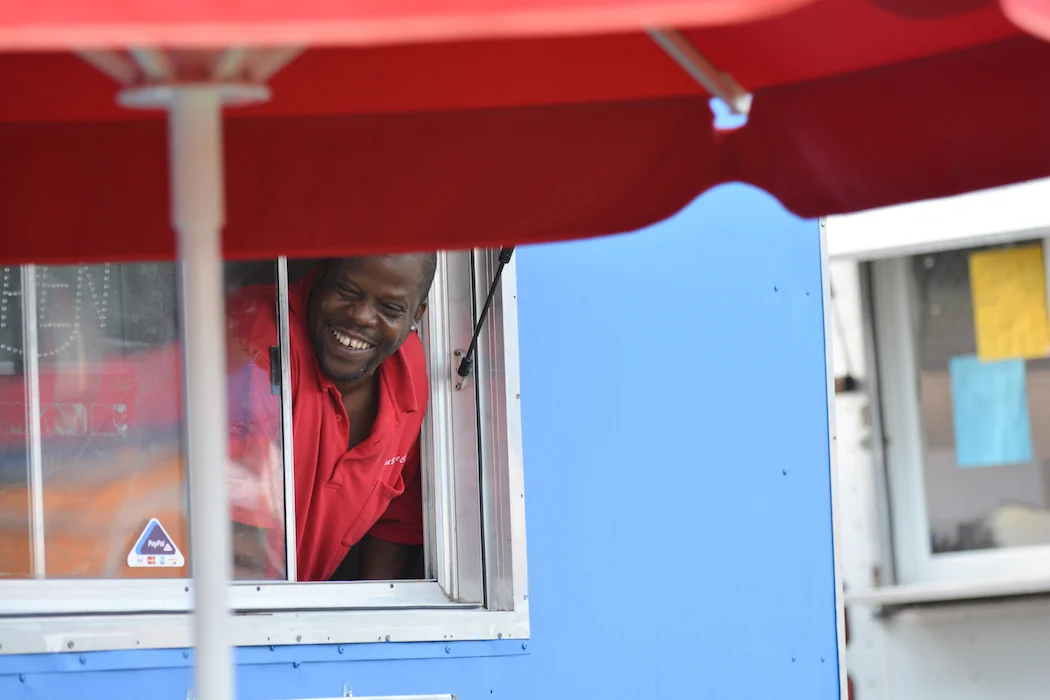





Hannah Russell grew up in Eastern Europe and has made Jackson her new home. She is a recent Union University graduate and works for Lane College as a photographer.

Google gets over 3.5 billion searches a day, processing over 40,000 searches each second. The most common Google searches in 2017 included weather, celebrities, the new iPhone, sporting events, and—making the top ten—fidget spinners. Many of us use Google daily to check how late a restaurant is open, to figure out the name of the actor on the tip of our tongue, to shop, to find directions or recipes, and to scare ourselves by reading way too deeply into the symptoms of a common cold.

I woke up to a phone call around nine in the morning; my friend’s neighbor’s grandmother’s employee had just quit his job, and they needed someone to come in immediately. Naturally, I was next in line. I drove across town to a strip mall I had never seen before and wandered into an unmarked restaurant where I was greeted by two golden lions, the king of Thailand (who was placing a call on an old brick phone), and a particularly satisfied Buddha.

As we all gear up for this week's 4th Annual International Food & Art Festival, we're wondering how it could get any better! Check out this photo gallery from last year as Katie Howerton highlights the people of the festival—so many different ages, ethnicities, and religions, but all part of Jackson on this special day.

September just might be Jackson's most nostalgic month, bringing us favorite events we've loved for years. From classics like the Starlight Symphony, state fair, and International Food & Arts Festival to new fun and fall races, this month is bound to keep your family entertained every weekend.

The year was 1984, and a young student from a remote region in the heart of Africa walked out of a small Jesuit mission in what is today the Democratic Republic of the Congo. Makim Mputubwele was leaving a torn country to study applied linguistics in the sprawling, peaceful landscapes of Indiana.

Professor Haelim Allen’s office, like the rest of the art department at Union University, is in beautiful disarray. There are paintings on the walls, half-completed sketches on her desk, various models in differing states of completion on a bookshelf, and of course a second bookshelf overflowing with literature that seems a staple of every teacher’s office. Just outside of her office door is a gorgeous light box which fills the hallway with a sense of peace and calm. The building itself is not by any stretch beautiful, but Professor Allen has transformed her office and the hallway leading up to it into a peaceful, welcoming environment.

We are so proud of the dozens of local students who submitted their artwork and poetry to our contest in collaboration with the Jackson International Food & Art Festival! If you missed the festival last weekend, make sure to check out our winners in this virtual gallery, then go see them for yourself at Jackson-Madison County General Hospital's new gallery later this month.

A morning ritual, a conversation piece, a shared bond: coffee adopts whatever role its faithful consumers may assign. It’s one of the few addictions that our local cultures openly embrace. Even just the word “coffee” can be seen on decorative signs for the home, on t-shirts, on mugs. Coffee has transcended its place as a drink to an idea: the symbol of incentive in an increasingly demanding world. “I can’t do anything before I have my coffee” is not a personal statement; it’s a cities-spanning mantra.

Let’s suspend our thought for the next ten to fifteen minutes and imagine what could be. Let’s not think about dollars and cents or logistical structure. While those things are necessary, they’re not for us right now. What we need are open minds and unencumbered ideas about what our downtown might possibly be if we could just think a little bit beyond what we’ve always thought. I’ve seen it. I’ve seen beyond. I’ve seen what downtown Jackson could be if we could just all get on board.

In his essay collection Heretics, G.K. Chesterton extols, “Once men sang around a table together in chorus. Now one man sings alone, for the absurd reason he can sing better.” In other words, as our scientific age has grown in competency and achievement we have become isolated from the rootedness which gave rise to our confidence in the first place—experts in everything but being human. Can there be any question this is more true today than when Chesterton wrote almost a century ago?

In 1998, one of the most respected scholars in the world made a profound decision. It was a decision that seemed at odds with much of what had previously happened in his life. Jaroslav Pelikan was born in Akron, Ohio, in 1923 to devout Lutheran parents. His father was a Lutheran pastor and his grandfather a bishop in the Lutheran Church. By the age of twenty-two he had completed both a seminary degree from Concordia Lutheran Seminary and a Ph.D. from the University of Chicago.

"You want to do what?” was the phrase that passed through Shayne Crowe’s mind as his daughter Lauren, a high school student who was studying Spanish, told him she wanted to go to Italy for a year-long exchange. This announcement started a long process with the Rotary study abroad program. The family learned that the program encouraged them to take an exchange student into their home as part of their participation. “It’s actually a really good program,” said Shayne.

For years I’ve been hearing the name James Cherry. I first heard of him when I was a student at Union University (also his alma mater) and then continued to hear about this guy as a Jacksonian interested in writing. It’s clear that locals are proud to have this Jackson native around. He’s the president of the Griot Collective of West Tennessee, a monthly poetry workshop, and is, upon meeting him, very obviously cool. He has an easy going temperament and a steady, unquestionable passion for the written word.

As I pulled up to Alamo Pride Cut & Sew Factory in March of 2014, I had to focus on the bold colors associated with spring that had taken hold across the Mid-South. The air was clean, and the morning dew blanketed fresh azalea and dogwood blossoms. I needed to focus on the beauty around me to keep from crying and mourning the life in Hong Kong I had left behind. “This is what the South is,” I said to myself as we drove past farmlands and well-manicured lawns heading into town.

When the white-tailed deer show up in my backyard, it’s like witnessing a direct link to an age almost forgotten. I freeze in my tracks, and I can’t help but think about their unbroken chain of ancestors going back into the ancient past. These animals were here long before any settlers arrived from Europe. They were the hunted long before rifles replaced bows and arrows. They knew these lands when the waters were still clean and the air was still fresh. They knew these lands when there were no cars and no railroads.

Entrepreneurs are sometimes the kind of people who come up with an idea and ruthlessly execute it. Others stumble into businesses ownership when their hobbies or passions lead them down a winding path of challenges and unexpected joys. Walt and Michelle James, the new owners of the Downtown Tavern, fall into the latter category. They are a pair of charitable entrepreneurs who were flung into the revitalization of downtown Jackson.

I’m seated by a floor-to-ceiling window in a Memphis coffee shop waiting for a former professor of mine. Memphis, because it’s his home turf. I watch the passersby coming and going on this sunny Saturday, and as I’m looking outside, I see Bobby C. Rogers turning the corner of Cooper and Cowden. He is a professor of English at Union University.
I was born in Jackson thirty-two years ago to an African-American father and a Hispanic mother. Our city was a very different place back then. In fact, it was less of a city and more a small town, with a far less diverse population. Growing up I didn’t have many friends that looked like me, and it was made abundantly clear by my peers that I was going to have to choose a side. But choosing was never really an option for me.

Imagine a table. There are many faces, both black and white, seated around that table. Everyone present wants their stories to be heard and their hardships to be acknowledged. Rightfully so. Sometimes I have the honor of sitting at that table. I sit beside my husband Charles and my best friend Melanie. Naturally, I gravitate toward their voices in conversations on racial reconciliation in our city.

Upbeat music pounded against the walls and colorful lights flashed as we (Kimberly and Melissa) found ourselves on a dance floor. People of all ages and various ethnicities surrounded us as we all did dance motions to the best of our abilities. Women in bright traditional Indie dress flashed smiles as their friends joined the circle. A small boy laughed as he bounded from one side of the stage to the other and dodged between peoples’ legs.
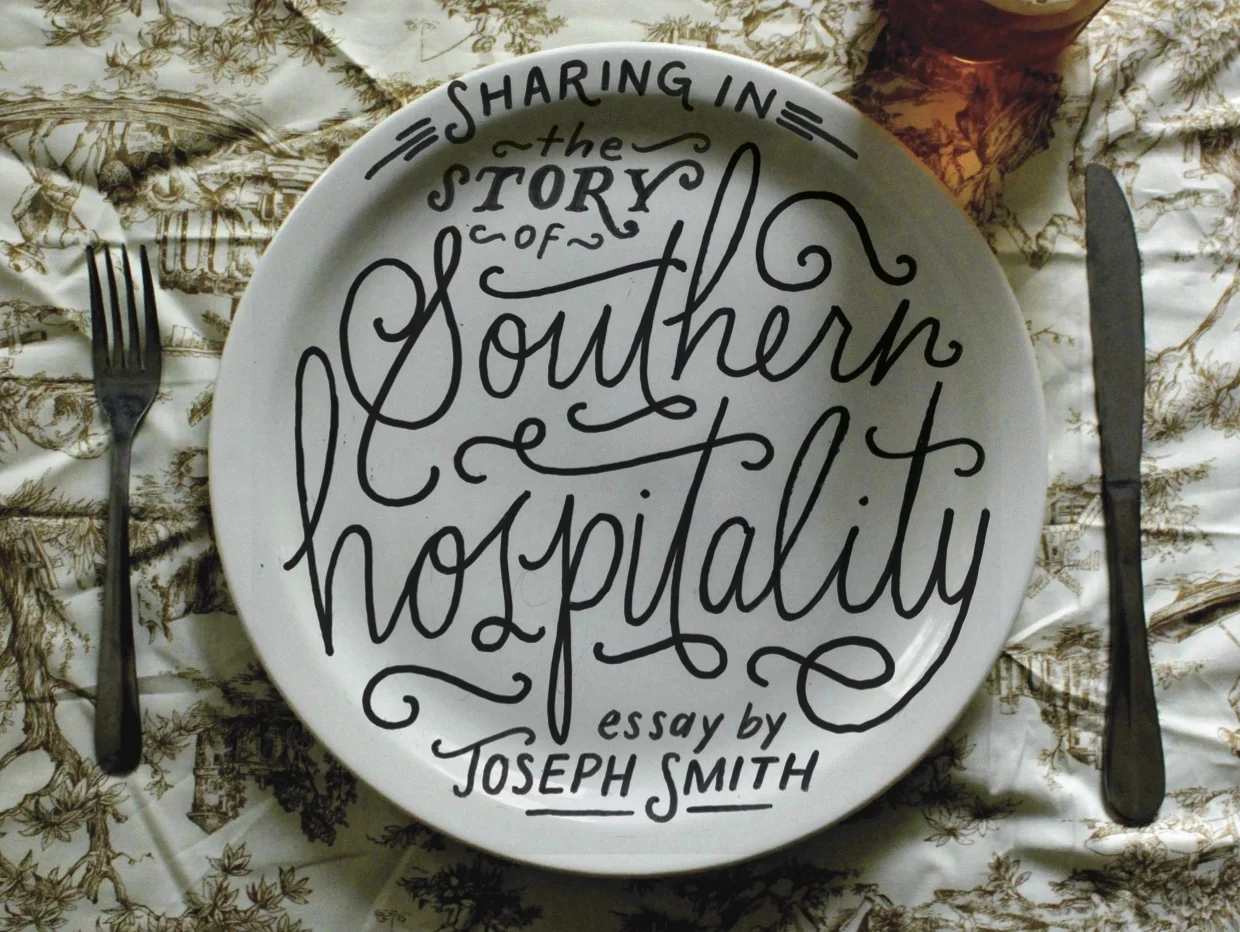
Growing up in the South has been a unique experience; my upbringing has been fostered by arguably the most distinct and well-preserved regional culture in our country, one that is often recognized and celebrated for its pride in tradition by visitors and (definitely) natives alike. It’s hard to deny how significant the carryover is from generation to generation, whether we’re talking about our carb-loaded homemade recipes, the always-charming accent, or that trademark sweet tea.
No, I "ain’t from around here." I’m neither a born Tennessean nor even a Southerner. I’ve been here since 1982, but I’m not trying to pass for something I’m told I’m not. I do identify with the South, but as a Judge recently observed, my “smart Yankee mouth” probably got me in a lot of trouble. I suspect that will continue. I was born in Washington, D.C.; I grew up in the suburbs of Maryland, and then my family moved to Illinois, where I attended high school and college as an undergraduate.

The greater the idea the more beautiful the building—a statement that should be true, and is true in an abstract sense. The most beautiful manmade space I have ever entered is also one inspired by what I consider to be the greatest idea.

Tranquil excitement, an exotic assortment of colors, and upbeat music greets my senses as I walk through downtown Jackson. I can't make out the words of the deep melody that I hear, but it reminds me of the Turkish music so dear to my heart. Walking through the streets of East Main and Highland, I feel more like I am back in Mexico City or Istanbul rather than West Tennessee.

“I don’t want to live to be rich; I want to live to be satisfied.” These are the words of Alex Hanson, a Lebanese man who owns the International Food Market off of Hollywood Drive in Midtown. For the past nine years, Alex has been supplying Jackson with shelves of hard-to-find international ingredients as well as refreshing Middle Eastern and Greek cuisine.

Jackson. A town nestled in West Tennessee with a population of approximately 65,211*. Upon first glance, Jackson seems like an average urban area of the South, but visitors and locals alike are often surprised at the number of different people groups residing here: Arab, Japanese, Hispanic, Brazilian, and Ethiopian to name a few. Why is Jackson so diverse? Who are the people that make up our city?

Communities need focal points to survive and to grow: locally run and owned businesses that are unique to the community and that provide an individual flavor and feel to a city. These local points are necessary for the community to continue to provide the multitude of functions that we expect from them and need from them to feel connected and to live full and healthy lives inside that community.
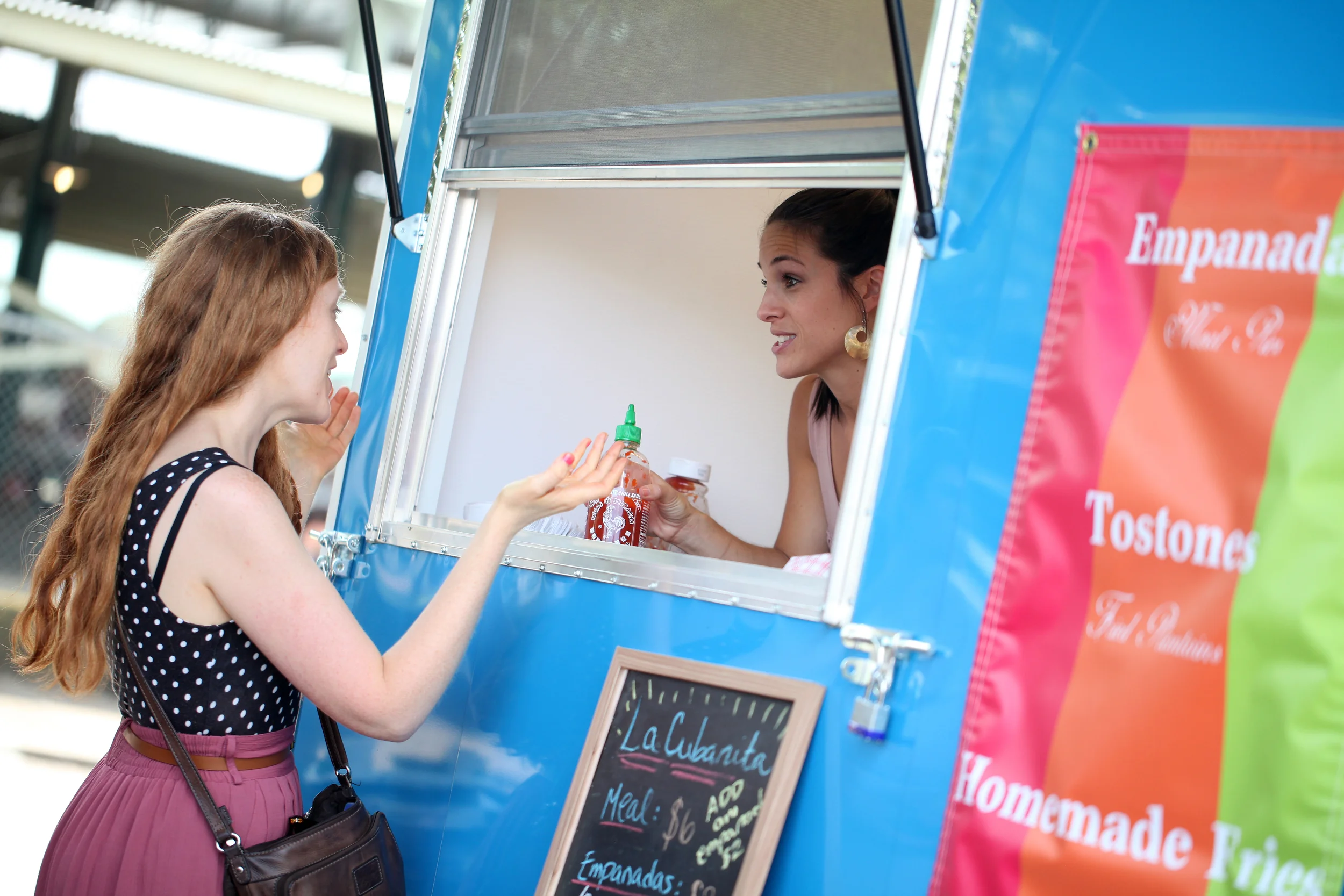
Since opening in July 2013 at the West Tennessee Farmers' Market, the unique Cuban food of La Cubanita has been a big hit. La Cubanita is operated on the food truck model that has been growing in popularity all over the country. Empanadas, the primary menu item, began as tapas from Spain. In the early 1900s, when the Spanish migrated to Cuba, they brought some of their food traditions with them. The recipe for La Cubanita’s empanadas has been passed down and perfected over four generations.